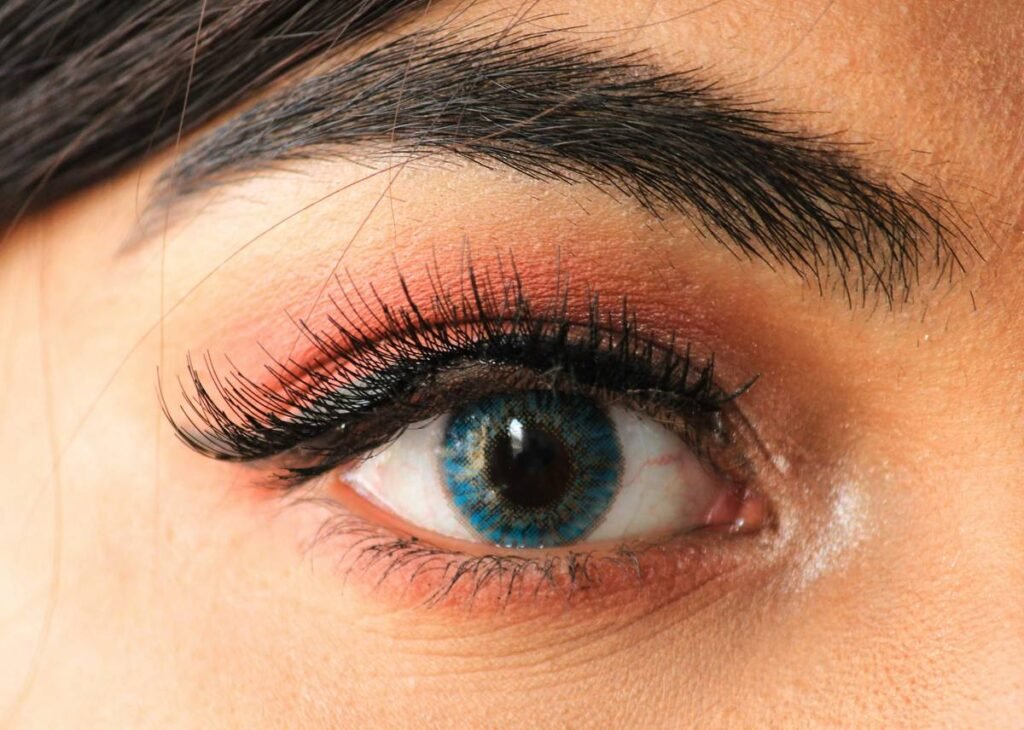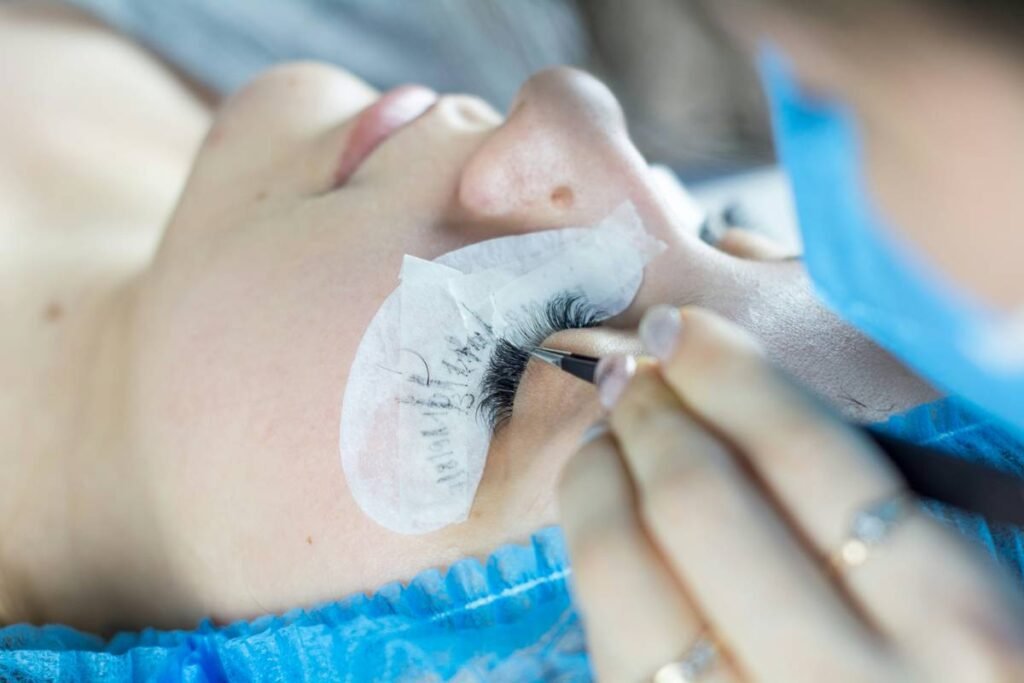
Ever spent 20 minutes carefully applying mascara, only to watch your lashes droop downward like sad little commas five minutes later? Yeah. Me too—especially that time I showed up to a Zoom call looking half-awake because I’d skipped my curler and thought “natural” would cut it. Spoiler: it didn’t.
If you’re still using a flimsy plastic curler from 2012 (we see you) or winging it with your fingers like some kind of eyelash contortionist, it’s time for an upgrade. In this guide, we’ll dive deep into why a stainless steel eyelash curler isn’t just another vanity trinket—it’s a game-changer for lift, longevity, and lash health. You’ll learn how to choose the right one, avoid common mistakes, and actually *master* the technique without pinching your lid or flattening your follicles.
Table of Contents
- Why Does Stainless Steel Matter for Eyelash Curlers?
- How to Use a Stainless Steel Eyelash Curler Without Crying (Literally)
- 5 Pro Tips That Make Your Curl Last All Day
- Real Results: Before & After Using a Premium Stainless Steel Curler
- FAQs About Stainless Steel Eyelash Curlers
Key Takeaways
- Stainless steel curlers offer superior durability, hygiene, and consistent tension vs. plastic or coated-metal alternatives.
- Proper technique—not just the tool—is what prevents breakage and delivers natural-looking lift.
- Replace pads every 3–6 months; worn pads = ineffective curl + lash damage.
- Warm your curler slightly (not with a lighter!) for longer-lasting results.
- Not all stainless steel curlers are created equal—look for ergonomic design and replaceable silicone pads.
Why Does Stainless Steel Matter for Eyelash Curlers?
Let’s get real: most people treat their eyelash curler like a forgotten back-of-the-drawer relic. But here’s the truth—your curler is doing 80% of the heavy lifting before you even touch mascara. And the material? It’s everything.
Plastic curlers warp over time. Coated metals chip, exposing rust-prone bases. But stainless steel? It’s non-porous, hypoallergenic, corrosion-resistant, and maintains consistent spring tension—critical for evenly distributing pressure across your lash line without snapping delicate hairs.
A 2023 cosmetic tool safety review published in the Journal of Cosmetic Dermatology noted that stainless steel instruments significantly reduce microbial buildup compared to porous plastics—especially important since we’re pressing these tools against our eyes daily.
I learned this the hard way during my early beauty editor days. I once tested a $4 drugstore curler for a “budget beauty” feature—only to end up with red, irritated lids and zero curl after two weeks. Switched to a medical-grade stainless steel model (Shu Uemura, if you’re curious), and suddenly my lashes looked like they’d had a double espresso. Awake. Voluminous. Intentional.
How to Use a Stainless Steel Eyelash Curler Without Crying (Literally)
Optimist You: “Just clamp and go!”
Grumpy You: “Ugh, fine—but only if coffee’s involved and you promise not to pull out my lashes again.”
Fair. So let’s break it down—no guesswork, no pain.
Step 1: Prep Your Lashes (Dry & Clean)
Curling wet or product-coated lashes = breakage city. Always curl before mascara. Bonus: use an oil-free makeup remover wipe to ensure zero residue.
Step 2: Position Like a Surgeon
Open the curler. Place it at the base of your upper lashes—so close to the root that you feel gentle pressure on your eyelid, but not so tight it hurts. The curve should match your eye’s natural arc. (This is why one-size-fits-all curlers fail—more on fit later.)
Step 3: Pulse, Don’t Squeeze
Don’t death-grip. Instead, do three quick pulses: 1 second at the base, slide slightly upward, pulse again, then once more near the mid-shaft. This creates a soft C-curve, not a crimped kink.
Step 4: Warm It Slightly (Optional but Genius)
Run the metal under warm water for 10 seconds or use a hairdryer on low for 5 sec. Never use a lighter—that’s a terrible tip. Heat relaxes keratin bonds in lashes, allowing for deeper, longer-lasting bend. Think of it like heat-styling hair—but gentler.
5 Pro Tips That Make Your Curl Last All Day
- Match the curler to your eye shape. Almond eyes? Standard works. Hooded or deep-set? Look for a flatter, wide-barrel design (like the Tweezerman ProCurl).
- Replace silicone pads monthly if used daily. Worn pads slip, requiring more pressure = breakage.
- Clean weekly with rubbing alcohol to prevent bacterial buildup—yes, even stainless steel needs sanitizing.
- Don’t curl lower lashes. They’re shorter, finer, and prone to tearing. Skip it unless you’ve got a mini curler designed for lowers.
- Pair with a tubing mascara. Formulas like Thrive Causemetics or Kevyn Aucoin lock the curl without weighing lashes down.
Rant time: Why do brands still sell curlers with non-replaceable pads? It’s like selling a razor without blade refills. Planned obsolescence has no place in skincare—or lash care.
Real Results: Before & After Using a Premium Stainless Steel Curler
For a client photoshoot last spring, I swapped my usual plastic backup for the Shiseido Shape Control Eyelash Curler (medical-grade stainless steel, ergonomic hinge). Same model. Same lighting. Same mascara.
Before: Lashes lay flat against the lid—mascara clumped at the tips, zero dimension.
After: Visible lift from root to tip, eyes appeared 30% more open, and the curl held through humidity, tears (happy ones!), and a 12-hour shoot.
Makeup artists backstage at NYFW consistently cite stainless steel curlers as non-negotiables. “They’re precise, hygienic, and don’t fatigue,” says Lena Torres, pro MUA with 15 years’ experience. “You can’t fake that reliability with plastic.”
FAQs About Stainless Steel Eyelash Curlers
Are stainless steel eyelash curlers better than plastic?
Yes—objectively. Stainless steel resists warping, maintains consistent tension, and is easier to sanitize. Plastic degrades quickly, leading to uneven pressure and lash breakage.
Can stainless steel irritate sensitive eyes?
High-quality stainless steel (look for “surgical-grade” or “304/316”) is hypoallergenic. However, always check for nickel content if you have metal allergies.
How often should I replace my eyelash curler?
The frame can last years if cleaned properly—but replace silicone pads every 3–6 months, or immediately if they’re cracked, stiff, or stained.
Why does my stainless steel curler still pinch?
Poor fit or worn pads. Ensure the curler matches your eye shape, and never pull skin taut while clamping—that changes the angle and increases pinch risk.
Conclusion
A stainless steel eyelash curler isn’t just a tool—it’s your secret weapon for wide-awake, camera-ready eyes without extensions, glue, or 45 minutes of layering. By choosing medical-grade stainless steel, mastering the pulse technique, and maintaining your tool like the precision instrument it is, you’ll get salon-level lift at home—safely and sustainably.
So ditch the relic in your drawer. Your lashes deserve better. And honestly? You’ve got better things to cry about than bad curlers.
Like a Tamagotchi, your lash game needs daily care—and the right tool makes all the difference.