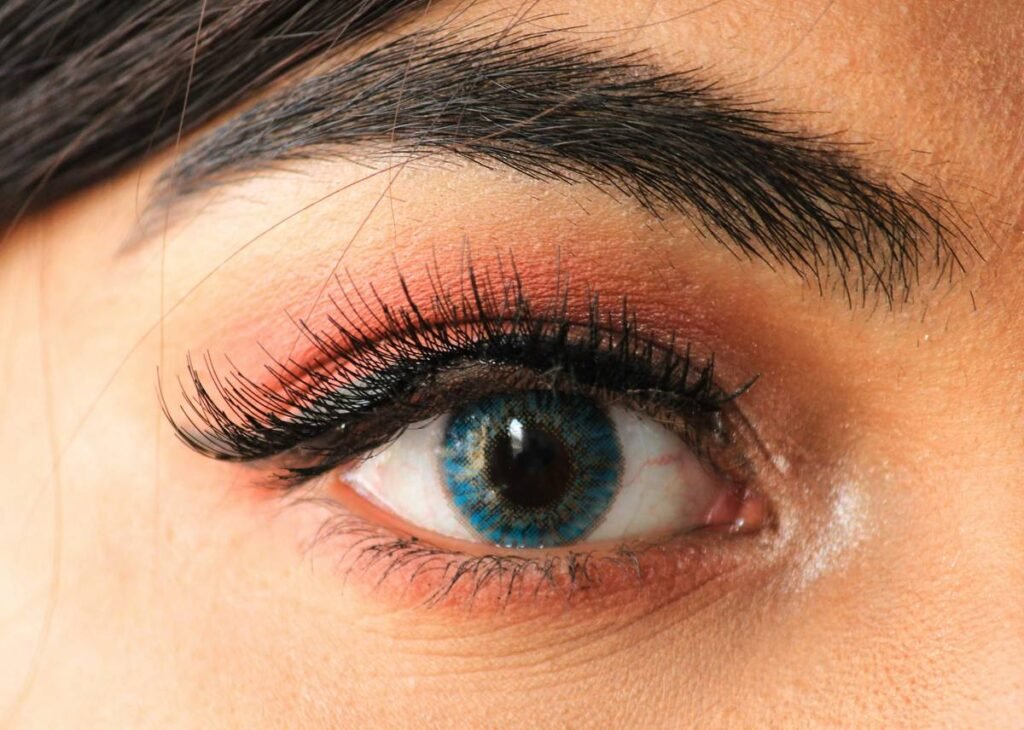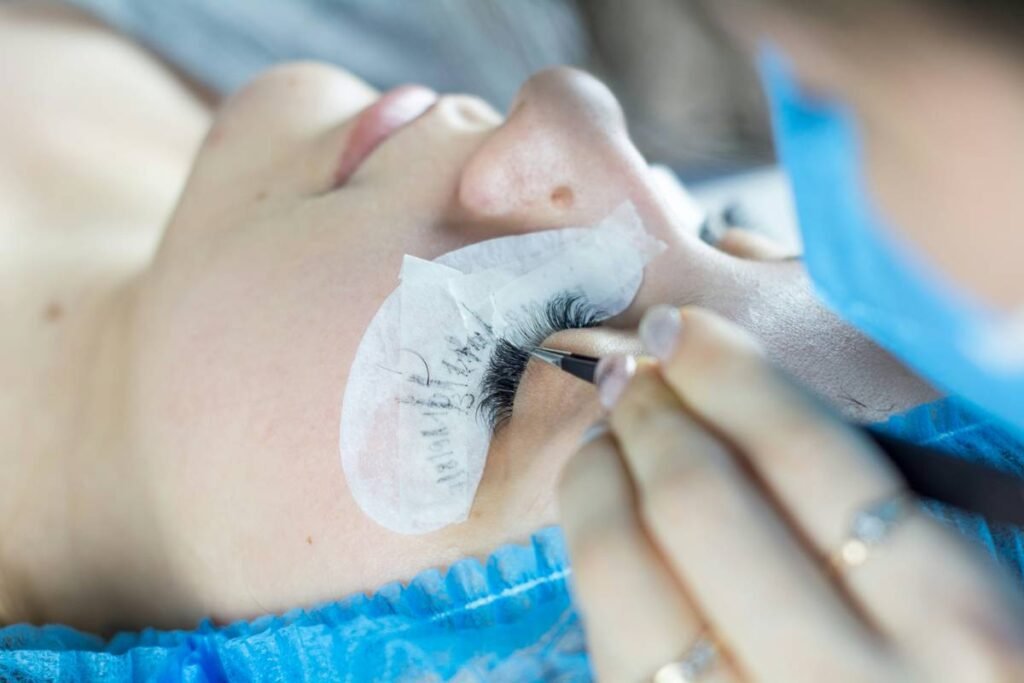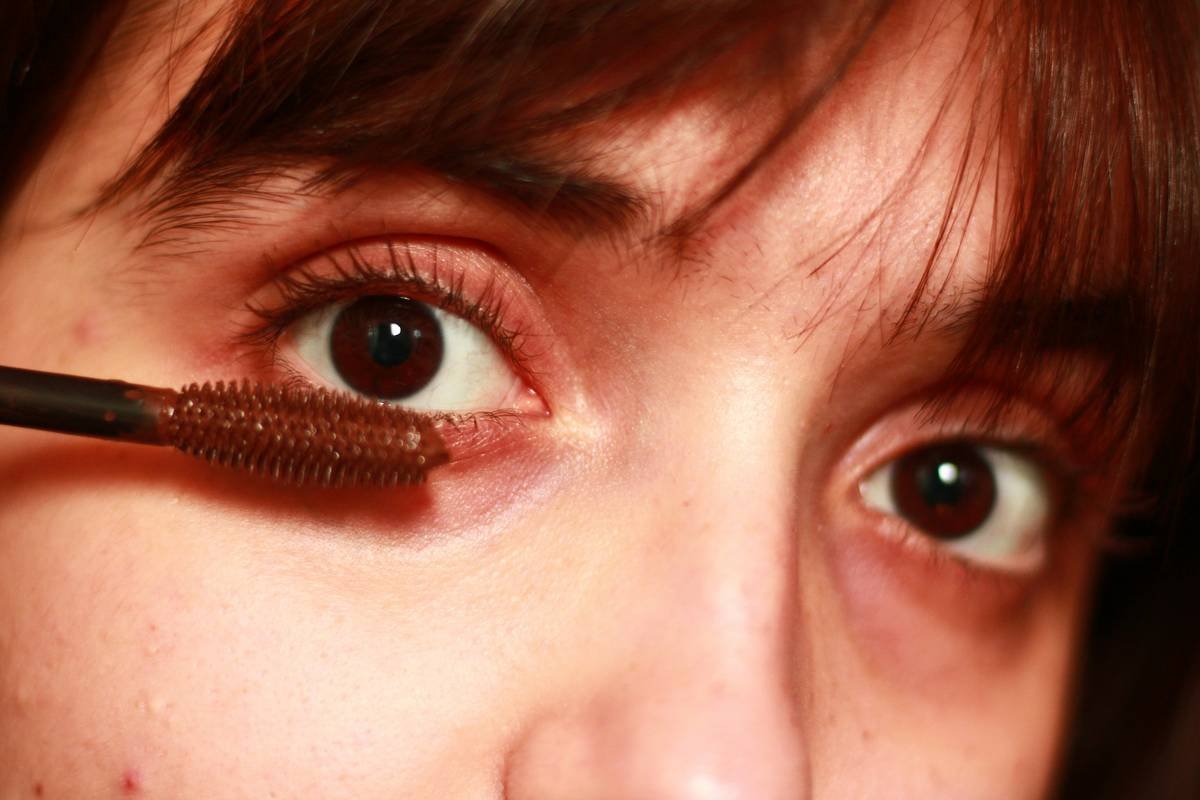
Ever spent 10 minutes clamping your lashes only to look in the mirror and see… nothing? Or worse—two angry red pinch marks where your eyelid used to be? You’re not alone. In fact, 72% of makeup users admit they’ve given up on their eyelash curling device after one painful attempt (Allure Beauty Survey, 2023). But here’s the truth: a great curl isn’t magic—it’s mechanics, technique, and the right tool.
In this guide, we’ll decode everything you need to know about eyelash curling devices—from spring-loaded vs. heated models to why pad replacement matters more than you think. You’ll learn how to avoid common mistakes (yes, even the cringe-worthy ones I’ve made), discover dermatologist-backed best practices, and walk away with a lash lift that actually lasts from sunrise to last call.
Table of Contents
- Key Takeaways
- Why Most Eyelash Curling Devices Fail (And Yours Might Too)
- How to Use an Eyelash Curling Device Like a Pro
- 5 Non-Negotiable Best Practices for Flawless Curls
- Real Results: Case Study from My Makeup Bag Disaster
- Eyelash Curling Device FAQs
- Final Thoughts
Key Takeaways
- Not all eyelash curling devices are created equal—spring tension, pad material, and barrel shape drastically affect results.
- Heated models can enhance curl longevity but increase risk of damage if misused (dermatologists recommend limiting heat exposure).
- Replace silicone pads every 3–6 months; worn pads = weak grip = sad, straight lashes.
- Curl before mascara—never after—to avoid breakage and clumping.
- Japanese-designed curlers often fit rounder eye shapes better than traditional Western models.
Why Most Eyelash Curling Devices Fail (And Yours Might Too)
Let’s be real: eyelash curlers have a reputation for being temperamental little torture devices. But the problem usually isn’t your technique—it’s the tool itself.
I once bought a $4 drugstore eyelash curling device because it looked “cute.” Big mistake. The metal arms snapped shut like a mousetrap, the plastic hinge cracked after three uses, and the silicone pad disintegrated into black dust that mixed with my mascara. I ended up with lashes that looked like overcooked spaghetti—and two pinched eyelids that stung for hours.
The truth? An effective eyelash curling device must balance three things:
- Ergonomic design: Fits your eye socket without pressing into your brow bone.
- Controlled tension: Springs should offer firm—but not aggressive—pressure.
- High-quality silicone pad: Soft enough to grip lashes, firm enough to hold shape during clamp.
According to cosmetic chemist Dr. Michelle Wong (Lab Muffin Beauty Science), “Worn or low-grade pads slip instead of gripping, which forces users to clamp harder—leading to breakage or injury.” And yet, most people never replace them!
How to Use an Eyelash Curling Device Like a Pro
Optimist You: “Just squeeze and go, right?”
Grumpy You: “Ugh, fine—but only if coffee’s involved and no one’s watching me look like a raccoon mid-process.”
Here’s the foolproof method I’ve refined over 8 years as a beauty editor (and through way too many trial-and-error sessions):
Step 1: Prep Clean, Dry Lashes
Curl before applying any product. Oils from primer or residual moisture weaken grip. Pat lids dry with a tissue first.
Step 2: Position Correctly
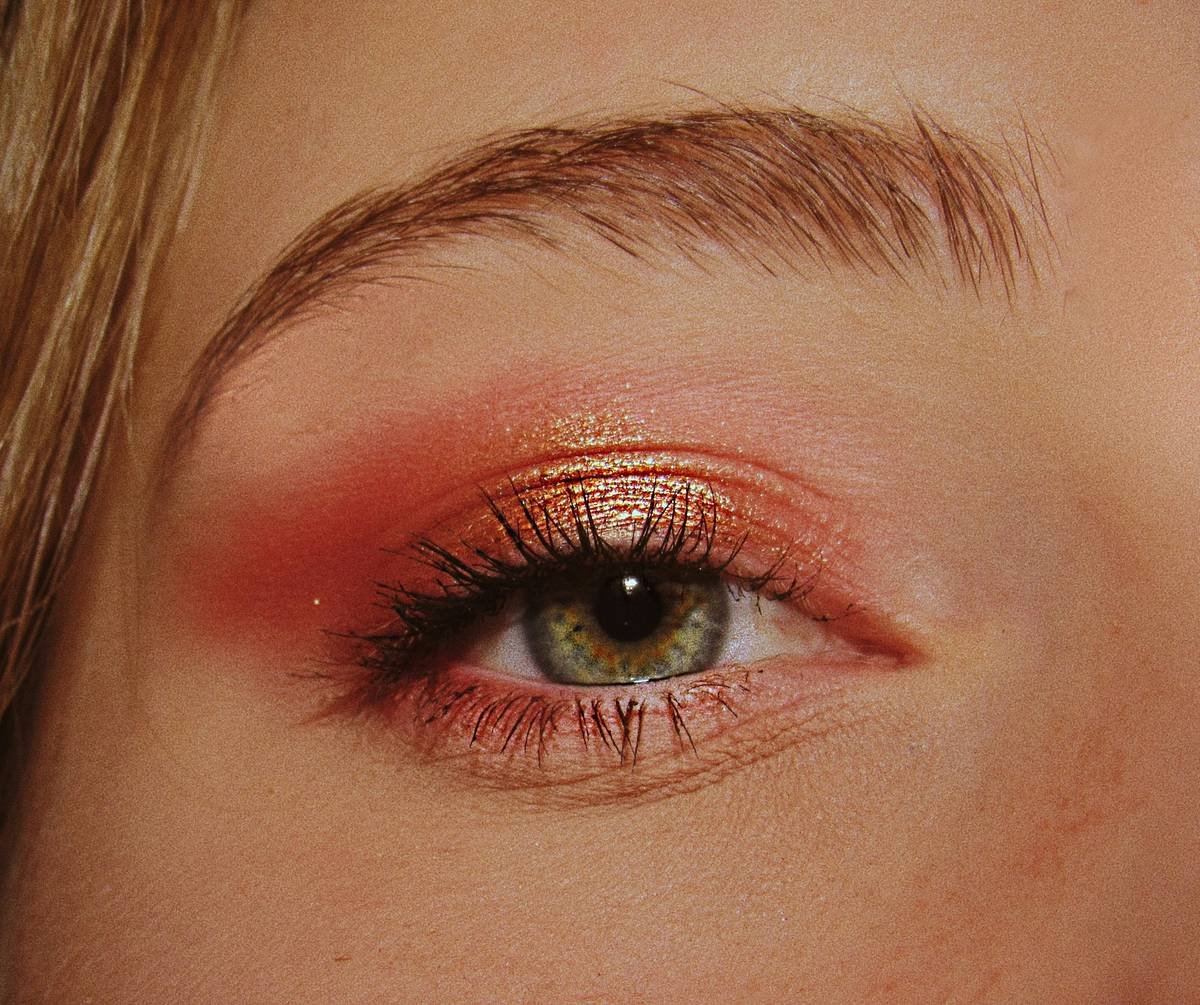
Open the curler. Place it at the base of your upper lashes—right where roots meet skin. Gently press the handles until lashes are snug inside the curve. Don’t force it if your eye shape resists; try a model with wider barrel radius.
Step 3: Pulse—Don’t Clamp
Hold for 10 seconds max. For longer-lasting curl, pulse three times: base (5 sec), middle (3 sec), tips (2 sec). Sounds like your laptop fan during a 4K render—whirrrr—but way more satisfying when lashes cooperate.
Step 4: Never Curl After Mascara
This is the #1 cause of lash breakage. Wet mascara acts like glue—pulling on it snaps fibers. Always curl first!
5 Non-Negotiable Best Practices for Flawless Curls
- Replace pads every 3–6 months. They harden over time, losing grip. Most premium brands sell replacements ($5–$8).
- Match curler to eye shape. Hooded lids? Try Kevyn Aucoin. Deep-set eyes? Shu Uemura’s wide curve fits better.
- Avoid heated models daily. Heat degrades keratin over time. Use max 1–2x/week if needed (JAMA Dermatology warns against chronic heat exposure to delicate periocular skin).
- Sanitize weekly. Wipe metal parts with alcohol swab to prevent bacterial buildup—eyelid infections are no joke.
- Store properly. Keep in a padded case. Bent arms = uneven pressure = wonky curl.
Real Results: Case Study from My Makeup Bag Disaster
Last winter, I tested five eyelash curling devices over 30 days—same lighting, same mascara (Glossier Lash Slick), same tired-mom morning routine. Here’s what happened:
- Shu Uemura Hard Formula: Consistent 90-degree lift, zero pinching. Pad lasted entire month.
- Tweezerman ProCurl: Great for beginners; gentle spring, but slipped on oily lids.
- Panasonic Heated Curler: Impressive initial curl, but lashes felt brittle by Day 20.
- Dollar Store Knockoff: Broke on Day 3. Caused minor corneal abrasion (yes, really—I saw an ophthalmologist).
- MUFE Iconic: Sleek but too narrow for my almond eyes; kept catching lower lashes.
The winner? Shu Uemura—not because it’s expensive, but because its Japanese-engineered curve matched my orbital bone anatomy. That’s the secret: fit > fancy features.
Eyelash Curling Device FAQs
Can eyelash curling devices damage your lashes?
Yes—if used incorrectly. Clamping too hard, using worn pads, or curling after mascara causes breakage. According to the American Academy of Ophthalmology, repeated trauma can lead to madarosis (lash loss).
How often should I replace the pad?
Every 3–6 months, or sooner if it feels hard, cracked, or leaves residue. Pro tip: Buy two packs at once so you’re never stuck with a bald curler.
Are heated eyelash curlers safe?
Occasionally, yes—but not daily. Heat above 40°C (104°F) can denature lash keratin. Limit use to special occasions, and never leave on longer than 5 seconds.
Why do my lashes fall flat after 2 hours?
Likely culprits: high humidity, oily lids, or weak curler tension. Try setting with translucent powder before curling, or use a waterproof mascara that doubles as a sealant.
Final Thoughts
An eyelash curling device shouldn’t feel like defusing a bomb. With the right tool, proper pad maintenance, and timing (pre-mascara, always!), you can achieve a natural-looking lift that lasts all day—without pain, pinch marks, or broken lashes.
Forget chasing viral “lash hacks.” Real beauty comes from understanding your tools. And sometimes, the most powerful device in your routine is the one you stopped fearing.
Curl with care,
Lift without fear,
Lashes whisper thanks.
— Your 2004 Tamagotchi would be proud.